Continuous pH control across plating tanks, an acid-mist scrubber and wastewater treatment
A large hardware electroplating operation in Hangzhou, China required more stable pH monitoring for nickel plating, surface-treatment tanks, an alkaline scrubber and an 800 m³/day wastewater treatment facility. The customer identity is withheld for commercial privacy.
Project Background
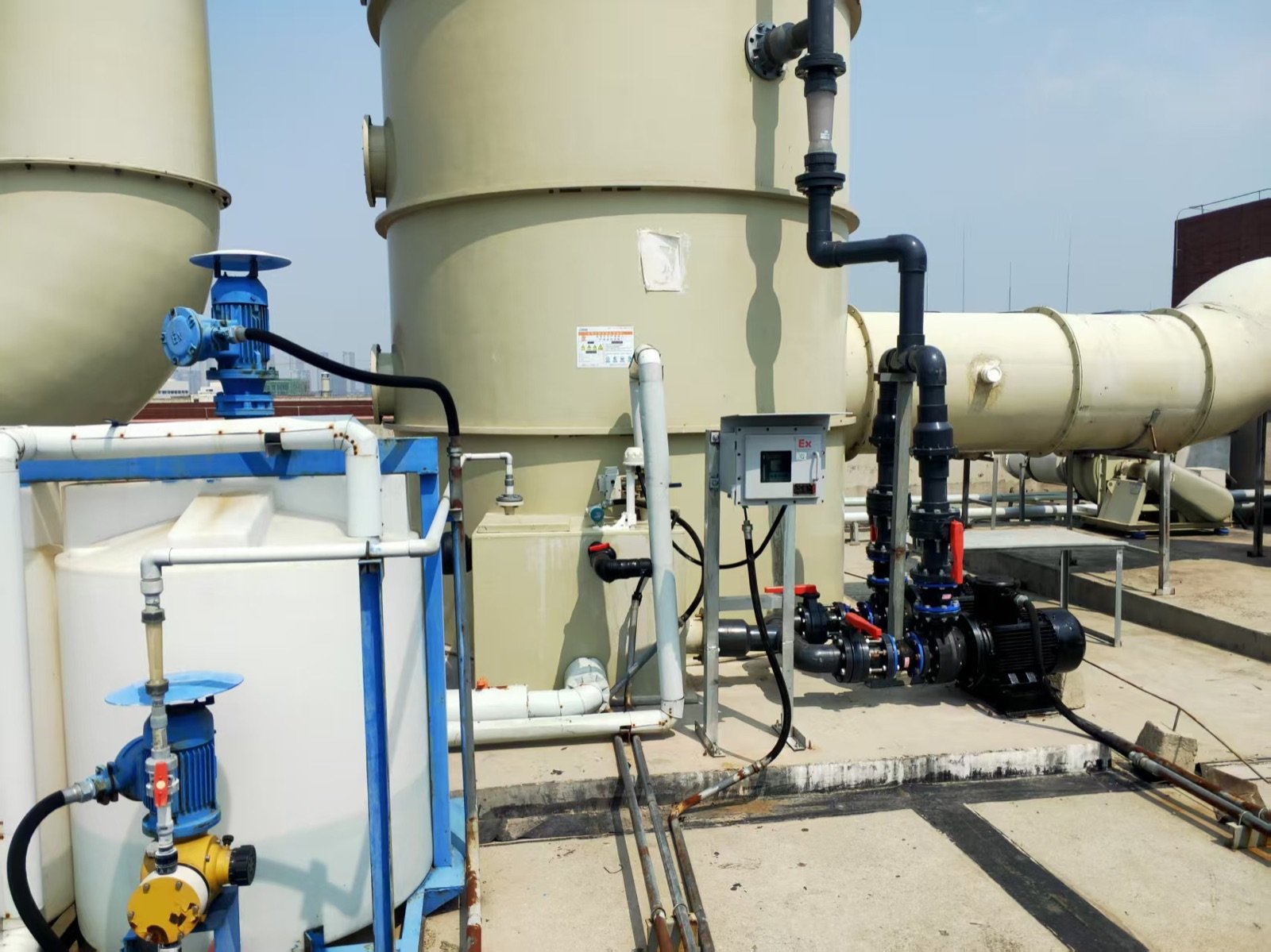
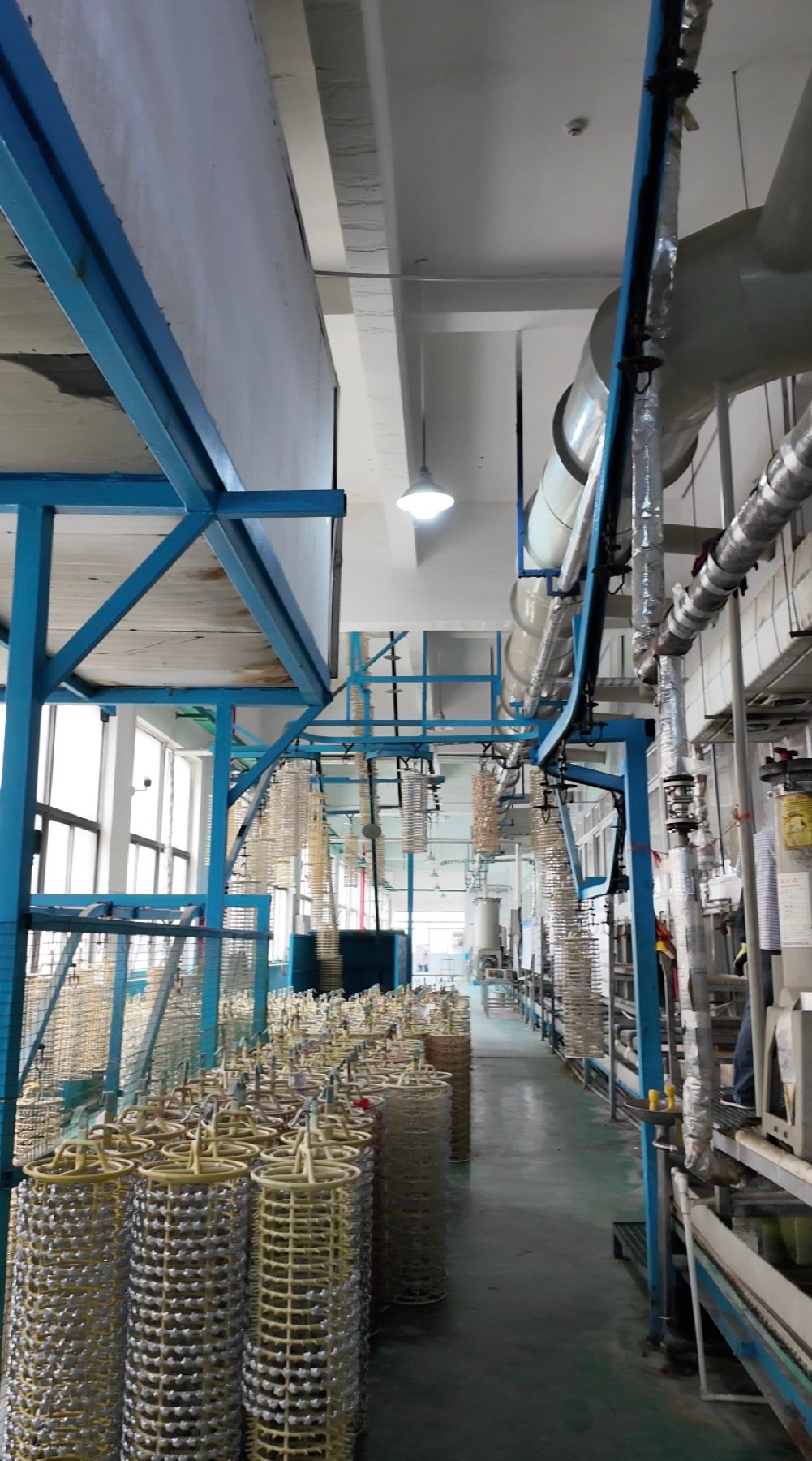
The production line covered acid pickling, nickel plating, alkaline degreasing, passivation and acid-mist scrubbing. The process involved strong acids and alkalis, nickel and chromium compounds, elevated liquid temperatures and corrosive electrolyte conditions. The scrubber used alkaline circulation liquid to neutralize acidic mist.
Customer Challenges
Delayed Manual Sampling
Operators relied on pH paper sampling at approximately two-hour intervals. Process changes between checks could not be seen in real time.
Unstable Plating Quality
The customer reported nickel-bath pH moving outside its 3.8–4.6 operating window, contributing to peeling and pinhole defects.
Frequent Sensor Replacement
Earlier general-purpose electrodes suffered from scaling, corrosion and drift in the demanding process environment.
Tenber Monitoring Configuration
Nickel Plating, Pickling and Degreasing Tanks
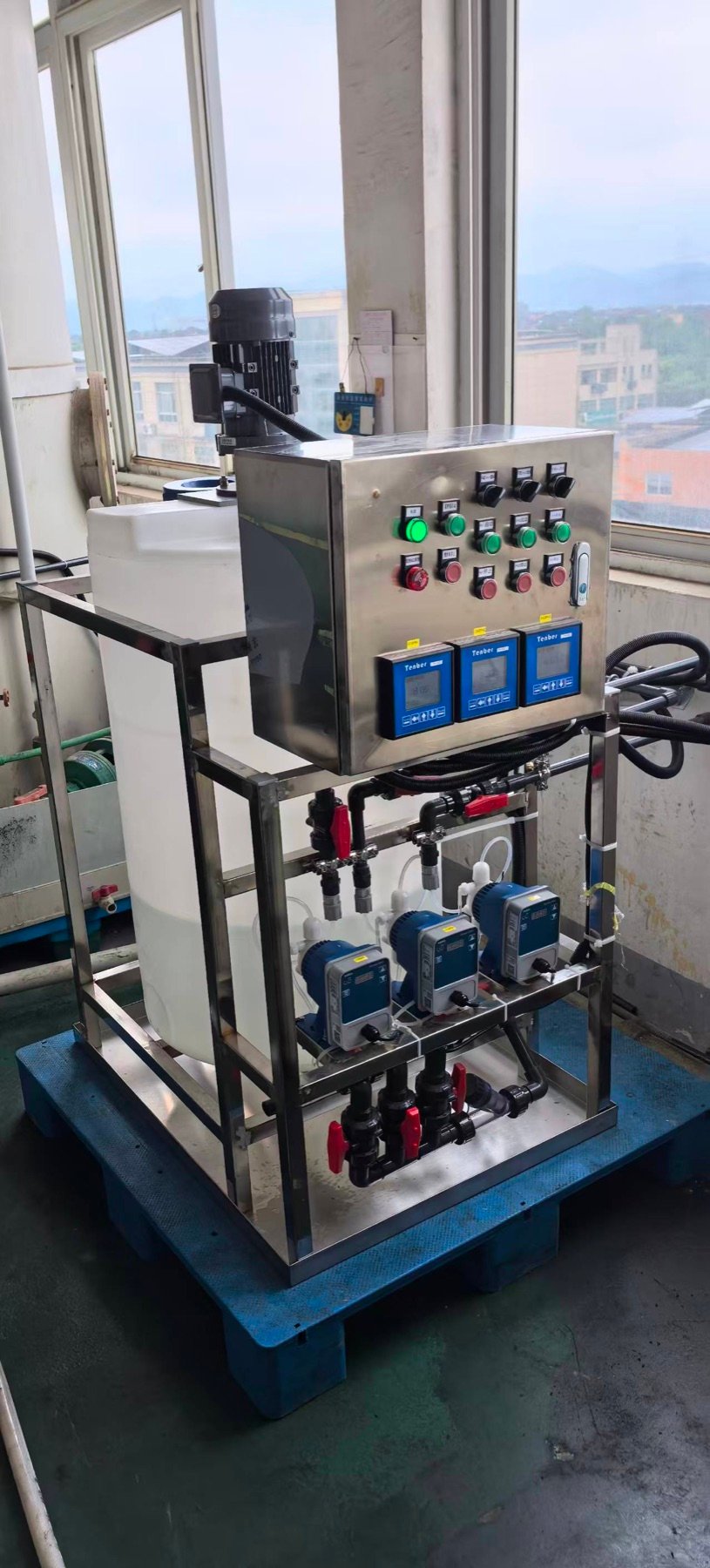
Controller: Tenber PHS-3301 online pH controller with 4–20mA, RS485 and relay-based dosing control.
Sensor arrangement: application-selected pH electrode for acidic, heavy-metal and elevated-temperature conditions, with immersion mounting and a PP protective assembly.
Acid-Mist Scrubber Circulation Tank
Controller: Tenber PH-302 pH controller.
Control logic: the alkaline circulation liquid was controlled within a customer-defined pH range of 8.2–9.0. Below the lower limit, the NaOH metering pump started; above the upper limit, dosing stopped and an alarm could be triggered.
Wastewater Neutralization
Combined pH and ORP monitoring supported automatic acid and alkali dosing. Final controller, electrode, installation and signal configuration should always be confirmed against the actual wastewater composition.
Customer-Reported Operating Results
The figures below were reported for this specific installation. Results vary with process chemistry, maintenance, calibration, installation and operating conditions and should not be treated as universal performance guarantees.
Continuous measurement reduced reliance on manual spot checks and allowed operators to review process values centrally. The customer also reported longer sensor replacement intervals in selected applications. Scrubber and neutralization installations achieved longer service periods under their specific operating and maintenance conditions.
Why Application-Based Sensor Selection Matters
Electroplating liquids can contain strong acids, alkalis, heavy metals, suspended solids and aggressive chemicals. A controller alone does not determine measurement reliability. Electrode material, reference system, protective assembly, mounting, cleaning and calibration must be matched to the actual liquid.
View Tenber electroplating applications or send the liquid composition, pH/ORP range, temperature, pressure, mounting method and signal requirements for configuration review.
Frequently Asked Questions
Which pH sensor is suitable for electroplating tanks?
The selection depends on the acid or alkali, metal ions, temperature, fouling, installation and required service interval. Tenber reviews the complete process conditions before confirming an electrode.
Can the controller operate a chemical-dosing pump?
Selected Tenber controllers provide relay outputs for compatible dosing-control arrangements. The pump, electrical load, control logic and safety interlocks must be confirmed during system design.
Can pH and ORP be monitored together?
Yes, when the selected controller configuration, electrodes and inputs support the required channels. The wastewater chemistry and control objective should be reviewed before selection.
What information is required for a similar project?
Provide the application, liquid composition, measuring range, temperature, pressure, installation position, cable length, output signal, control requirement and quantity.
Request an electroplating monitoring configuration
Send the operating conditions and required control logic. Tenber will review the controller, sensor, mounting and signal requirements.